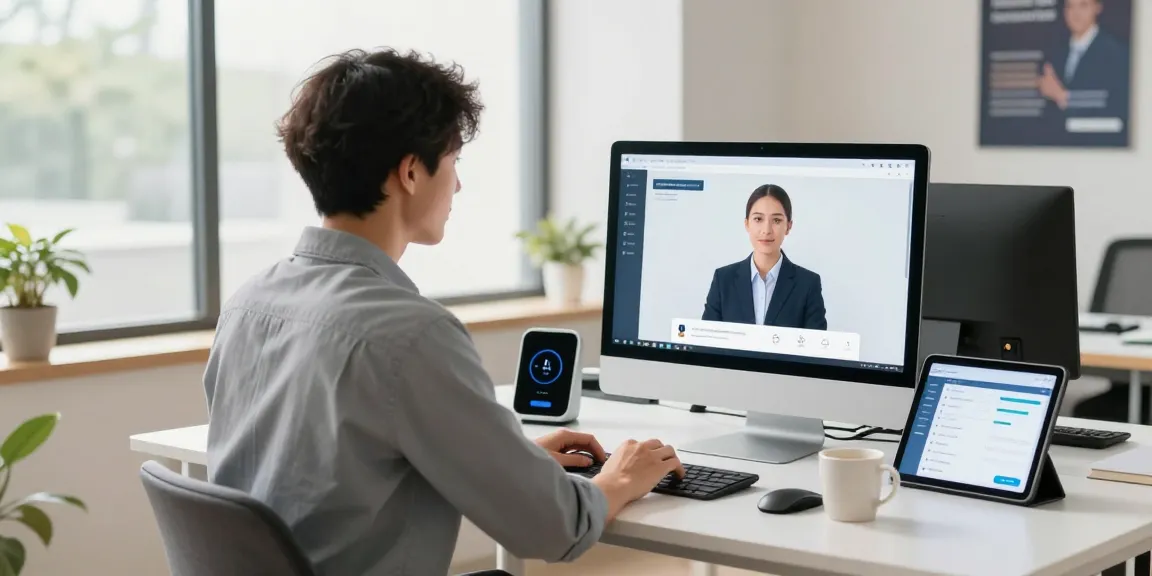
Understanding AI Receptionists for Small Businesses
As businesses increasingly seek to streamline operations and enhance customer interactions, the implementation of AI receptionists has emerged as a transformative solution. For home-service businesses, introducing an AI receptionist for small business can significantly boost efficiency, allowing operators to focus on delivering quality services while automated systems handle the initial customer engagement. This article delves into what AI receptionists are, their applications in the home service sector, and how they can redefine customer experiences and business operations.
What is an AI Receptionist?
An AI receptionist is a virtual assistant powered by artificial intelligence, designed to handle customer inquiries, manage bookings, and provide information without the need for human intervention. Utilizing natural language processing (NLP) and machine learning, these systems can engage with customers via chat or voice, providing instantaneous responses to queries. For home-service businesses, this translates to minimized wait times and enhanced customer satisfaction, as clients can receive immediate assistance regardless of the hour.
Benefits of Using AI in Home-Service Businesses
Implementing an AI receptionist offers a plethora of benefits tailored for the unique demands of home service industries:
- 24/7 Availability: Unlike human receptionists, AI systems can operate around the clock, ensuring that customer calls and inquiries are addressed at any time.
- Cost Efficiency: By reducing the need for additional staff, businesses can save on labor costs without sacrificing service quality.
- Improved Customer Engagement: AI can answer frequently asked questions, schedule appointments, and even qualify leads, fostering a seamless experience for customers.
- Data Collection: AI receptionists can gather and analyze customer data, providing valuable insights that can inform marketing strategies and service improvements.
Common Misconceptions About AI Receptionists
Despite their advantages, misconceptions about AI receptionists persist. One common belief is that they will replace human jobs entirely. While AI can handle routine tasks, the human touch remains irreplaceable for complex customer interactions. AI tools are designed to enhance, not replace, human roles by taking over repetitive functions, thus allowing staff to focus on higher-level tasks that require personal attention and empathy.
Implementing an AI Receptionist in Your Operations
Transitioning to an AI receptionist system involves several strategic steps. Here’s a comprehensive guide to effective integration in the home service sector:
Step-by-Step Guide for Integration
- Assess Your Needs: Evaluate which tasks your receptionist currently handles and identify areas where automation could enhance efficiency.
- Choose the Right Software: Select AI receptionist software that integrates well with your existing systems and meets your business's specific requirements.
- Set Up Workflows: Create workflows within the AI system that mirror your typical customer interaction flow, ensuring a smooth transition for your clients.
- Train the System: Input common queries and responses to help the AI understand the nuances of your services, enhancing its ability to interact effectively.
- Monitor Performance: Regularly assess the AI's performance, making adjustments as needed to improve response accuracy and customer engagement levels.
Best Practices for Usage in Home-Service Contexts
To maximize the benefits of your AI receptionist, consider the following best practices:
- Keep Communication Clear: Ensure that the AI uses clear and straightforward language to avoid customer confusion.
- Regular Updates: Continuously update your AI system with new information about services, pricing, and policies to provide accurate responses.
- Feedback Mechanism: Implement a system for customers to provide feedback on their AI interactions, helping to refine and improve the service over time.
Common Challenges and Solutions During Implementation
Adopting AI technology can present challenges. Here are some common obstacles and suggested solutions:
- Resistance to Change: Employees may be hesitant to adopt new technology. Address this by highlighting the benefits and providing training on how the AI can alleviate their workload.
- Technical Issues: Initial setup may encounter glitches. Collaborate closely with your software provider to troubleshoot any problems swiftly.
- Customer Acceptance: Some clients may prefer human interaction. Offer an option to seamlessly switch to a human representative if needed, maintaining customer trust.
Enhancing Customer Experience with AI Technology
The integration of AI receptionists can significantly elevate the customer experience in home-service businesses. Here’s how:
How AI Receptionists Improve Response Times
AI receptionists can handle inquiries instantaneously, resulting in dramatically reduced response times. Customers can receive answers to their questions or schedule appointments without the frustration of long wait times, leading to higher satisfaction and increased likelihood of returning for future services.
Personalization Features That Matter
Modern AI systems can offer personalized experiences by using data to tailor responses and recommendations based on a customer’s previous interactions. This individual approach creates a connection and nurtures customer loyalty, vital for service industries that rely heavily on repeat business.
Case Studies: Effective AI Implementations
Numerous businesses have experienced success with AI receptionists. For instance, a plumbing company implemented an AI system that managed bookings and customer inquiries, resulting in a 30% increase in appointments. The system’s ability to qualify leads meant that only interested customers were booked, optimizing the team's time and improving service delivery.
Leveraging AI Receptionists for Marketing and Growth
Beyond just customer service, AI receptionists play a pivotal role in marketing and growth strategies:
Using AI to Capture and Qualify Leads
AI can automatically capture leads through various channels such as website chatbots, social media inquiries, and more. By qualifying these leads based on specific criteria, businesses can streamline their follow-up processes and improve the chances of conversion.
Marketing Strategies to Enhance Visibility
Integrating AI receptionists with marketing platforms can facilitate sharper targeting of advertising campaigns. For example, data collected by AI can identify high-demand services or peak times, allowing businesses to tailor their marketing efforts accordingly.
Long-Term Growth Metrics and Success Indicators
To measure the effectiveness of AI receptionists, track key performance indicators (KPIs) such as lead conversion rates, customer satisfaction scores, and operational cost savings. Analyzing these metrics will provide insights into the impact of AI on your overall business performance and growth trajectory.
Future Trends in AI Receptionist Technology
As artificial intelligence continues to evolve, the capabilities of AI receptionists will also expand. Here are some anticipated trends:
Predictions for AI Receptionists in 2026 and Beyond
By 2026, we can expect AI receptionists to possess even more sophisticated natural language processing abilities, enabling them to engage in more complex conversations. Additionally, increased integration with other business tools will allow for seamless transition between AI and human interaction, enhancing service efficiency.
Impact of AI Innovations on Home-Service Industries
AI innovations are poised to revolutionize the home service industry by automating tasks that currently consume significant time and resources. The result will be reduced operational costs and enhanced service offerings tailored to customer needs.
Preparing Your Business for Future Developments
To remain competitive, businesses should invest in ongoing training and development for their AI systems. Staying abreast of technological advancements will ensure that companies can leverage the full potential of AI receptionists as they evolve.
What are the costs associated with AI receptionists?
The costs of implementing AI receptionists can vary widely depending on the features and capabilities of the software chosen. Many platforms offer tiered pricing models that allow businesses to select a plan that fits their budget and operational needs.
Can AI receptionists replace human staff?
While AI receptionists can handle many routine tasks, they complement rather than replace human staff. The nuanced understanding required for complex customer interactions still necessitates human involvement, ensuring a balanced approach to customer service.
How do I train an AI receptionist for my business?
Training an AI receptionist involves inputting common queries, responses, and service information into the system. Regular updates and feedback loops from both staff and customers will enhance the AI's effectiveness over time.
What software integrates best with AI receptionists?
AI receptionists work best when integrated with existing customer relationship management (CRM) systems and communication tools. Popular options include Salesforce, HubSpot, and various scheduling software that streamline appointments and customer interactions.
How do I measure the effectiveness of an AI receptionist?
Effectiveness can be evaluated through metrics like response time, customer satisfaction scores, and lead conversion rates. Regular analysis of these indicators will help businesses gauge the impact of their AI systems on overall operations.