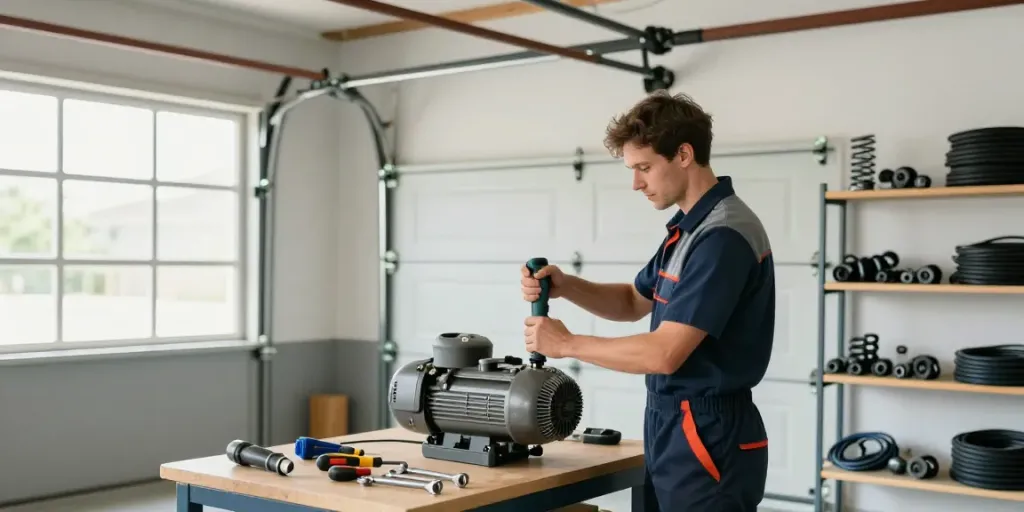
Understanding Garage Door Motor Repair Fundamentals
Garage door motors are the beating heart of your garage door system, responsible for its smooth operation and functionality. In Noranda, understanding the nuances of garage door motor repair can save you time, money, and stress. This guide covers everything you need to know about these essential components, from their basic functions to the common issues that can arise and how to address them effectively.
When a garage door motor fails, it can lead to inconvenient and sometimes dangerous situations. That's why timely repairs and maintenance are critical. Whether you're experiencing unusual noises, failure to respond, or erratic movements, knowing how to diagnose and address these issues is invaluable. For those looking for efficient solutions, specialized services like garage door motor repair can provide the expertise needed to restore functionality swiftly.
What is a Garage Door Motor and Its Functions?
A garage door motor, often referred to as an opener, is the mechanical device that powers the movement of your garage door. It operates in conjunction with various components like springs, cables, and tracks to ensure your door can open and close smoothly. There are different types of motors, including chain-driven, belt-driven, and screw-driven models, each functioning slightly differently but serving the same essential purpose.
Common Signs Your Garage Door Motor Needs Repair
Recognizing the early signs of trouble can prevent more extensive damage and costly repairs. Here are some common indicators that your garage door motor may need attention:
- Unusual Noises: Grinding, squeaking, or rattling sounds during operation can indicate wear and tear.
- Inconsistent Operation: If your door opens or closes intermittently or without warning, it may be a sign of motor problems.
- Stalled Door: A door that refuses to budge can often be traced back to motor or power issues.
- Remote Malfunctions: If your remote control fails to operate the door despite new batteries, the motor might be at fault.
Importance of Timely Garage Door Motor Maintenance
Regular maintenance of your garage door motor can extend its lifespan and improve performance. Simple tasks like lubricating moving parts, checking for worn components, and ensuring the motor is free from obstructions can go a long way. Neglecting these tasks may lead to more severe issues that could result in expensive repairs or replacement.
Diagnosis Process for Garage Door Motor Issues
When diagnosing garage door motor problems, a systematic approach will help pinpoint the issue quickly and effectively. Understanding the signs and using the right tools can make a significant difference in repair success.
Initial Checks and Troubleshooting Steps
Start by performing some simple checks:
- Ensure the garage door is on the tracks and not obstructed by debris.
- Inspect the power supply to the motor, including checking the circuit breaker and any fuses.
- Examine the remote control; replace batteries if necessary.
Using Diagnostic Tools for Accurate Assessment
Professional garage door technicians utilize various diagnostic tools, such as multimeters, to measure voltage and detect electrical faults. This ensures accurate evaluations and targeted repairs.
When to Call a Professional Garage Door Technician
If initial troubleshooting fails to resolve the issue or if you suspect a complex problem, it's time to call in a professional. Experts can diagnose and fix underlying issues more quickly, preventing further damage.
Common Problems Encountered in Garage Door Motor Repair
Garage door motors can face numerous problems. Understanding these can help you identify issues early and seek appropriate repairs.
Identifying Faulty Components: Springs, Cables, and Motors
Faulty springs or cables are often the culprits behind garage door failures. These components work closely with the motor to facilitate smooth operation. If one fails, the motor may struggle to operate the door effectively.
Understanding Electrical Issues with Garage Door Motors
Electrical problems are common in garage door repairs. Issues like faulty wiring, burnt out circuits, or even obstructions in the motor's electrical connections can cause significant operational headaches.
How Environmental Factors Affect Garage Door Performance
Environmental factors, such as temperature fluctuations and humidity, can affect the performance of garage door motors. For instance, cold weather may cause lubrication to thicken, while excessive moisture can lead to rust. Regular inspections can mitigate these effects.
Effective Garage Door Motor Repair Techniques
Knowing effective repair techniques can empower homeowners to tackle minor issues themselves, and understanding these methods can also aid discussions with professional technicians.
Step-by-Step Guide to DIY Garage Door Motor Repair
If you're comfortable with basic repairs, you can follow these steps for minor issues:
- Disconnect the power supply to ensure safety while working.
- Inspect and clean the motor to remove dust and debris.
- Check and replace any worn-out belts or chains.
- Lubricate all moving parts to reduce friction and wear.
Best Practices for Ensuring Long-lasting Repairs
For lasting repairs, always use quality parts and follow manufacturer guidelines during installation. Keeping your garage door system maintained will also help prevent recurrence of issues.
Tools and Parts Needed for Successful Repairs
Essential tools for garage door repairs typically include:
- Wrenches and sockets
- Screwdrivers
- Lubricants specialized for garage door systems
- Multimeters for electrical troubleshooting
Future Trends in Garage Door Motor Repair
As technology advances, the field of garage door repair is evolving. Understanding these trends can help you stay informed and take advantage of new solutions as they become available.
Emerging Technologies Impacting Garage Door Motors
Smart technologies are changing the landscape of garage door operation. Features such as smartphone connectivity and automated opening systems are becoming increasingly popular. However, these systems may also require specialized repair skills.
Predictions for Garage Door Motor Repair Services in 2026
In 2026, we can expect enhanced automation in garage door systems, alongside increased demand for skilled technicians who can navigate both traditional and smart garage door systems.
How Smart Home Integration is Changing Repair Needs
Smart home integration means that garage doors may need more sophisticated repairs involving software diagnostics and electronics, which will require technicians to stay current with training and certifications.
What Factors Influence Garage Door Motor Repair Costs?
The costs associated with garage door motor repairs can vary based on several factors, including:
- Type of motor system
- Complexity of the repair
- Parts needed for replacement
How Long Can You Expect a Garage Door Motor to Last?
Typically, garage door motors can last between 10 to 15 years with proper maintenance. Factors such as frequency of use and environmental conditions can significantly affect this lifespan.
Can I Repair a Garage Door Motor Myself?
While some minor repairs can be conducted independently, significant issues often require professional attention to ensure safety and effectiveness. Always evaluate your comfort level with repairs before proceeding.
How to Tell If My Garage Door Motor is Failing?
Signs of a failing motor may include unusual noises, inconsistent responses, and failure to operate altogether. Early detection is key to preventing costly repairs down the line.
What is the Lifespan of a Garage Door Motor?
The lifespan of a garage door motor depends on various factors, but generally, you can expect around 10-15 years. Regular maintenance can help extend this duration significantly.