Understanding the Basics of Home Gardening
Home gardening can be a fulfilling and rewarding endeavor that not only beautifies your living space but also provides fresh produce and a sense of connection to nature. Whether you’re brand new to the concept or looking to refine your gardening skills, understanding the foundational aspects is essential. This guide aims to equip you with the knowledge needed to embark on your gardening journey with confidence.
Essential Tools for Beginners
Before you dig in, it’s important to gather the right tools to make your gardening experience efficient and enjoyable. The basic toolkit for a beginner gardener should include:
- Hand trowel: Perfect for planting, digging, and transplanting small plants.
- Pruning shears: Essential for trimming and shaping plants to encourage healthy growth.
- Garden fork: Ideal for loosening soil and aerating it, which promotes root health.
- Watering can or hose: A critical tool for providing moisture, especially in dry conditions.
- Garden gloves: Protect your hands from thorns and dirt while working.
- Rake: Useful for leveling soil and collecting debris.
As you progress, you might want to invest in more specialized tools such as a tiller or a wheelbarrow, but starting with the essentials will set a solid foundation.
Choosing the Right Plants for Your Climate
Not all plants thrive in every environment, making it crucial to select varieties suited to your local climate. Start by researching your USDA Plant Hardiness Zone, which provides a map of suitable plants based on average annual minimum temperatures. Here are some tips for choosing the right plants:
- Local nurseries: Visit local nurseries to find plants that are adapted to your region’s climate.
- Seasonal planting: Understand what can be planted in spring, summer, fall, and winter.
- Native plants: Consider incorporating native species, which are generally more resilient and require less water and maintenance.
For instance, in USDA Zone 5, you might choose perennials like peonies and hostas, while in Zone 9, you could opt for tropical flowers like hibiscus.
Soil Types and Preparation Techniques
The quality of your soil directly affects plant health. Understanding different soil types and how to prepare them is imperative for successful gardening. Here are the main soil types:
- Sandy soil: Drains quickly but can be low in nutrients.
- Clay soil: Retains moisture but can be heavy and compacted.
- Silty soil: Rich in nutrients and good for plant growth but can drain poorly.
- Loamy soil: A balanced mix of sand, silt, and clay, ideal for most plants.
To prepare your soil:
- Test your soil pH to determine its acidity or alkalinity.
- Add organic matter like compost to improve nutrient content and drainage.
- Till the soil to a depth of at least 12 inches, breaking up clumps as you go.
Regularly amend your soil by adding compost or mulch to maintain its health throughout the growing season.
Designing Your Outdoor Space
Creating a well-designed outdoor space can enhance your home’s curb appeal while providing a relaxing area for family and friends. Thoughtful design incorporates both aesthetics and functionality, ensuring that your garden is not only beautiful but also practical.
Creating Functional Garden Layouts
When designing your garden, consider how you will use the space. Functional layouts can help maximize your gardening efforts and improve the overall experience. Here are some layout ideas:
- Raised beds: Ideal for managing soil quality and drainage, raised beds can also make gardening easier on your back.
- Grid layouts: Utilize a grid system to organize plants efficiently, making maintenance simpler.
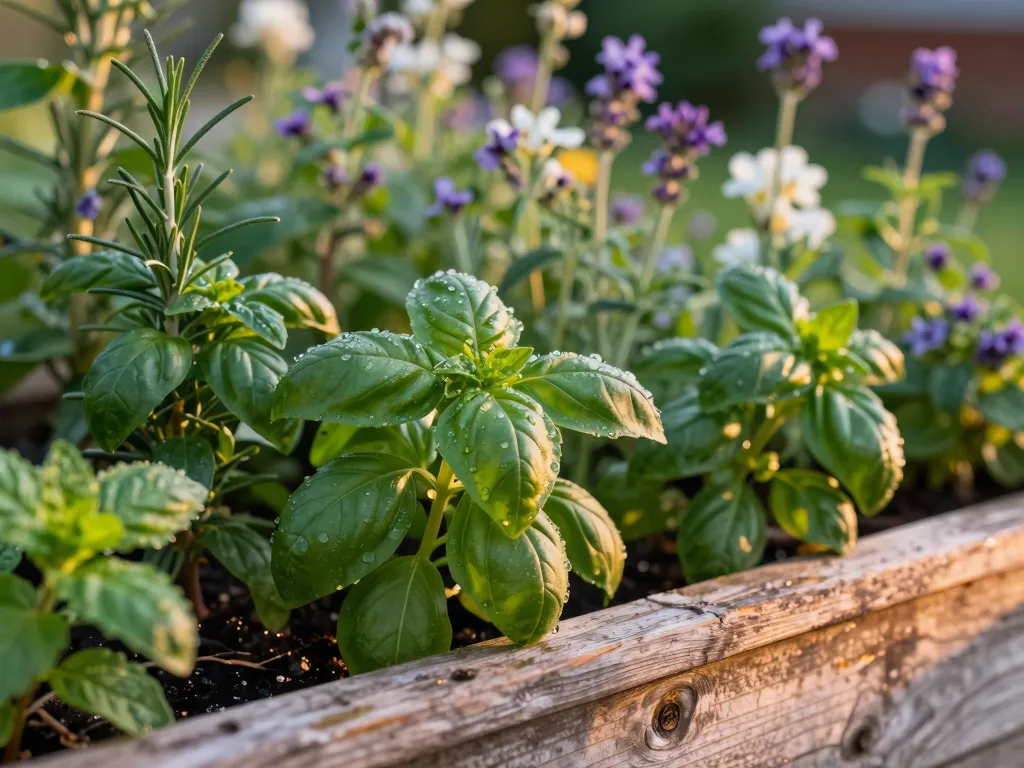
- Companion planting: Position plants that benefit each other close together; for example, plant basil near tomatoes to enhance their growth.
Take into account sunlight exposure, wind patterns, and access to water as you plan your layout. Using garden design software or apps can also help visualize your ideas.
Incorporating Hardscape Elements
Hardscaping refers to the non-plant elements of your garden, such as paths, patios, and walls. These features not only improve aesthetics but also enhance functionality. Here are some ways to incorporate hardscape elements:
- Paths: Create stone or gravel pathways to guide visitors through your garden while preventing soil compaction.
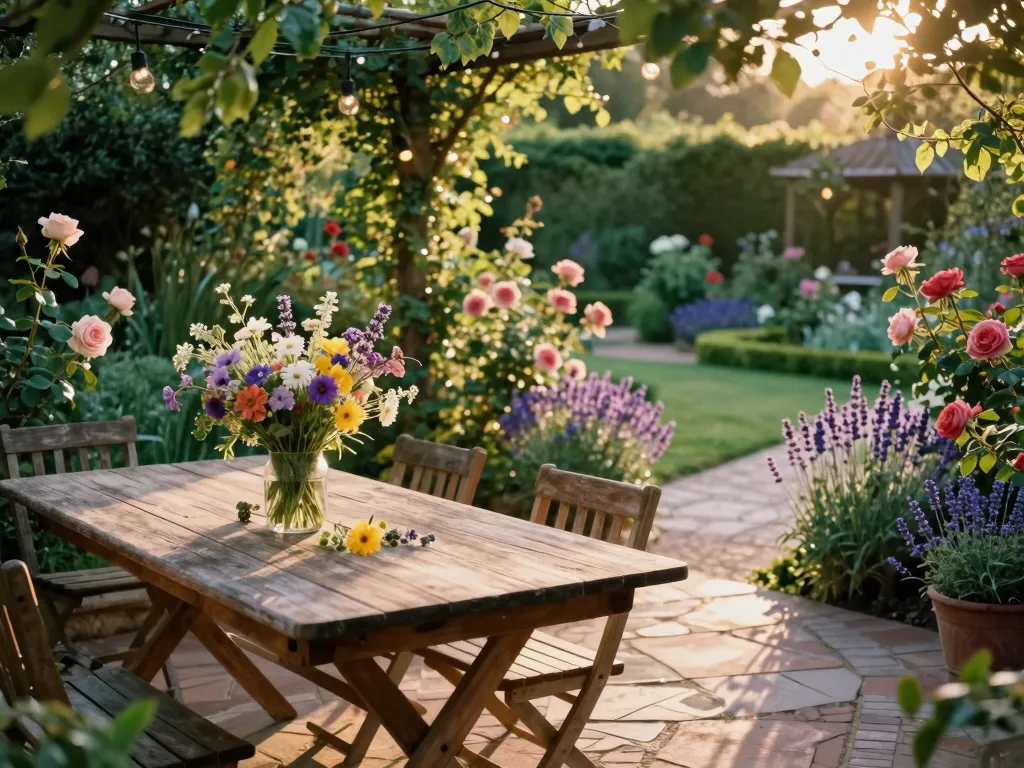
- Patios: A well-designed patio provides a perfect gathering space, allowing you to enjoy your garden comfortably.
- Retaining walls: Use these to manage slopes and create tiered planting areas, which can be visually striking.
Consider materials that blend well with your home’s architecture for a cohesive look, and incorporate seating areas to make your garden an inviting retreat.
Choosing the Right Plants for Aesthetic Appeal
Plants are the heart of any garden, and selecting the right varieties can elevate your outdoor space’s beauty. Here’s how to choose plants that will provide visual interest:
- Color schemes: Plan plant arrangements by color; for instance, a monochromatic palette can create a serene atmosphere, while contrasting colors can energize the space.
- Seasonal interest: Select plants that bloom at different times throughout the year to ensure that your garden is vibrant across all seasons.
- Texture and height: Combine plants with varying textures and heights to create depth and visual interest.
For example, pairing tall sunflowers with low-growing marigolds can create a striking contrast, drawing the eye and adding layers to your garden.
Maintaining Your Garden Year-Round
Once you’ve established your garden, maintaining it becomes essential for its success. Regular care ensures your plants thrive, and understanding seasonal tasks can make a significant difference in your gardening experience.
Seasonal Plant Care and Maintenance Tips
Different seasons bring unique challenges and tasks for garden care. Here’s a seasonal breakdown:
- Spring: This is the time for planting annuals, pruning perennials, and applying mulch to retain moisture.
- Summer: Focus on watering, deadheading flowers, and monitoring for pests.
- Fall: Prepare your garden for winter by cleaning up debris, planting bulbs, and applying a layer of compost.
- Winter: Protect sensitive plants with mulch and consider indoor gardening options to keep your green thumb active.
By keeping a garden journal to track your seasonal tasks, you can ensure you don’t miss important maintenance activities.
Effective Pest Control Strategies
Pest management is a critical component of garden maintenance. Here are strategies to keep pests at bay:
- Regular inspections: Check plants weekly for signs of pests or disease, allowing for early intervention.
- Natural predators: Encourage beneficial insects like ladybugs and lacewings that feed on harmful pests.
- Organic pesticides: Use neem oil or insecticidal soap as an eco-friendly option for managing pest outbreaks.
Incorporating companion planting can also help deter pests. For example, planting marigolds around vegetables can repel nematodes and aphids.
Watering Techniques for Optimal Growth
Proper watering is essential for healthy plant growth. Here are effective techniques to consider:
- Deep watering: Water deeply but less frequently to encourage roots to grow deeper into the soil.
- Morning watering: Watering in the morning helps reduce evaporation and fungal diseases.
- Drip irrigation: Installing a drip system can conserve water and deliver moisture directly to the plant roots.
Utilizing rain barrels can also be an efficient way to collect rainwater for irrigation, promoting sustainability.
Advanced Gardening Techniques
Once you’ve mastered the basics, consider exploring advanced gardening techniques that can enhance your yields and sustainability. These methods not only improve plant health but often require less effort over time.
Companion Planting for Better Yields
Companion planting involves strategically placing plants together to maximize their growth potential and deter pests. Here are some classic pairings:
- Tomatoes and basil: Basil can enhance the flavor of tomatoes and repel tomato hornworms.
- Carrots and onions: Onions help deter carrot flies while both crops can be grown in close proximity.
- Corn, beans, and squash: Known as the “Three Sisters,” this combination supports each other’s growth while maximizing space.
Researching companion planting can introduce you to new combinations that can enhance your garden’s productivity.
Organic Gardening Practices and Benefits
Organic gardening focuses on maintaining soil health and promoting biodiversity. Here are some practices to consider:
- Composting: Create your own compost to enrich your soil with nutrients and improve soil structure.
- Crop rotation: Rotate your crops each year to prevent soil depletion and reduce pest outbreaks.
- Mulching: Use organic mulches to suppress weeds, retain moisture, and provide nutrients as they decompose.
Studies show that organic gardening can lead to healthier plants, improved soil quality, and better pest resistance.
Hydroponics and Vertical Gardening Solutions
For those with limited space or seeking innovative methods, hydroponics and vertical gardening are excellent solutions. Here’s how they work:
- Hydroponics: This soil-less growing method uses nutrient-rich water to nourish plants, allowing for faster growth and higher yields.
- Vertical gardening: By using walls, trellises, or specially designed systems, you can grow plants upward, saving space and enhancing aesthetics.
Many urban gardeners have successfully utilized these techniques, proving that even small spaces can yield abundant harvests.
Home Improvement Projects for Garden Enthusiasts
For those who wish to elevate their gardening experience further, home improvement projects can enhance functionality and enjoyment in your outdoor space. Whether you’re aiming for efficiency or aesthetics, these projects can make a significant difference.
Building Raised Garden Beds
Raised garden beds are a popular choice among gardeners and can be constructed easily. Here’s a step-by-step guide:
- Choose location: Select a sunny spot with good drainage.
- Determine dimensions: Common sizes are 4×4 feet or 4×8 feet, with a height of 12-24 inches.
- Gather materials: Use untreated wood, bricks, or stone to build the frame.
- Assemble: Construct the frame, ensuring it’s level.
- Fill: Add a mixture of soil and compost to create a nutrient-rich growing medium.
Raised beds not only make gardening accessible but also improve soil quality and drainage.
Installing Irrigation Systems for Efficiency
Efficient watering is crucial for maintaining a healthy garden. Installing an irrigation system can save time and reduce water waste. Here’s how to set one up:
- Assess your garden: Determine the layout and types of plants to identify water needs.
- Choose a system: Options include drip irrigation, soaker hoses, or sprinkler systems.
- Plan the layout: Map out where hoses or lines will run to ensure even coverage.
- Install: Follow the manufacturer’s instructions for installation, ensuring connections are secure.
- Set up a timer: Automate watering schedules to ensure plants receive consistent moisture.
Investing in an irrigation system can significantly reduce the time spent watering while promoting healthier plants.
Creating Outdoor Living Spaces: Patios and Decks
Enhancing your garden with outdoor living spaces can create areas for relaxation and entertainment. Here are some steps to consider:
- Plan your space: Decide on the size and features of your patio or deck based on your needs and garden layout.
- Choose materials: Options include wood, composite materials, stone, or pavers, which should complement your home’s style.
- Design for functionality: Incorporate seating, tables, and perhaps a fire pit or grill to create a welcoming environment.
- Install: Follow best practices for construction, ensuring durability and safety.
Outdoor living spaces can extend your home’s usable area and provide a perfect setting for enjoying your garden.