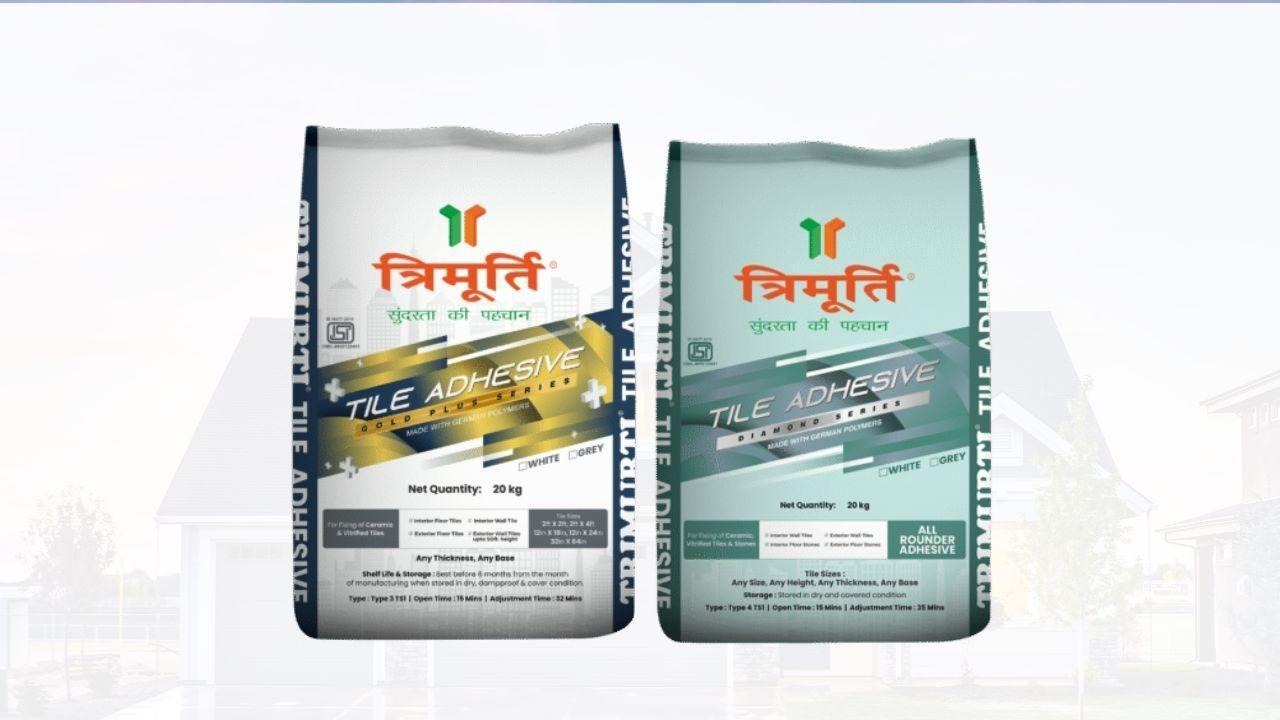
A beautifully tiled surface is often admired for its appearance, but the real strength behind it lies beneath the visible layer. The durability, alignment, and lifespan of tiles depend greatly on the quality of installation materials and techniques used during the process. Among these, tile fixing adhesive has become an essential component in modern construction because it provides stronger bonding, better stability, and improved resistance against daily stress.
Tile installation has moved far beyond simply placing tiles over a cement layer. With the introduction of larger tiles, advanced designs, and demanding architectural requirements, builders now need solutions that offer precision and long-term performance. The right bonding system ensures that tiles remain secure while maintaining their visual appeal for years.
Understanding how these materials work and why they matter helps homeowners, contractors, and designers make better decisions during construction and renovation projects.
The Changing Approach To Tile Installation
Traditional tile installation methods depended heavily on cement mortar mixtures. While this approach was widely used for many years, it often created challenges related to uneven application, inconsistent bonding, and longer curing periods.
Modern construction demands greater efficiency and reliability. Buildings today experience different types of stress, including temperature changes, moisture exposure, and continuous movement. Conventional methods may not always provide the flexibility needed to handle these conditions effectively.
Advanced bonding systems have transformed tile installation by offering controlled performance and improved adhesion. They are designed to create a stronger connection between the tile and the surface while reducing common problems such as hollow spaces, cracks, and tile displacement.
Why Bonding Strength Determines Tile Durability
The relationship between tiles and the surface beneath them determines how well an installation performs over time. A weak bond can result in loose tiles, uneven surfaces, and expensive repair work. Using a reliable adhesive tile solution helps create stronger connections between the tile and the base surface, improving overall stability and performance.
High-quality bonding materials are designed to distribute pressure evenly across the installation area. This helps tiles withstand regular foot traffic, furniture loads, and environmental changes without losing stability.
The effectiveness of a bonding system also depends on surface preparation. Dust, moisture, and uneven textures can reduce adhesion and prevent materials from performing at their full potential.
Selecting Materials For Different Applications
Not every tile installation faces the same conditions. A residential living room, commercial building, bathroom, outdoor area, and industrial space each have different requirements.
For example, areas exposed to moisture need materials that can maintain performance despite water contact. Similarly, high-traffic commercial spaces require stronger bonding systems that can handle constant pressure.
Choosing the right material according to the environment improves both durability and efficiency. A suitable bonding solution ensures that tiles remain stable even when exposed to challenging conditions. This approach also reduces future maintenance because properly installed tiles are less likely to require frequent repairs or replacements.
Importance of Surface Preparation Before Installation
Many tile failures are not caused by poor-quality tiles or adhesives but by inadequate preparation of the base surface. A strong installation begins with a foundation that is clean, stable, and properly leveled.
Uneven surfaces create pressure points beneath tiles, which can eventually lead to cracks or separation. Similarly, leftover dust or loose particles prevent proper contact between the bonding material and the surface.
Professional installers carefully inspect the area before beginning work. They ensure that the base is ready to support the tile system and that environmental conditions are suitable for installation. This preparation process improves bonding performance and helps create a smooth, long-lasting finish.
Role of Tile Joints In Overall Performance
While bonding materials secure tiles to the surface, joint filling plays an equally important role in protecting the installation. The spaces between tiles are not only decorative; they also help manage movement and prevent moisture penetration.
Poorly filled joints allow water and dirt to enter beneath the surface, weakening the overall system over time. This is especially problematic in kitchens, bathrooms, and outdoor spaces where exposure to moisture is frequent.
A reliable grouting solution helps maintain joint strength and improves the overall appearance of tiled surfaces. Products such as Trimurti tile grout support better sealing and create cleaner, more durable finishes between tiles. Proper grouting also contributes to easier maintenance by reducing the accumulation of dirt and improving surface hygiene.
Modern Technology Improves Construction Outcomes
The construction industry continues to adopt smarter solutions that improve efficiency and quality. Advanced tile installation materials are a result of this progress, offering better consistency and performance compared to older methods.
Modern bonding systems help contractors achieve faster installation while maintaining high standards. Their controlled formulation allows for more predictable results, reducing variations caused by manual mixing and application.
Technology has also improved compatibility between different construction materials. Today’s solutions are designed to work effectively with various tile types, surface conditions, and architectural requirements.This advancement allows builders to create durable spaces without compromising on design flexibility.
Building Long Lasting Surfaces Through Better Choices
A successful tile installation is the result of several elements working together. Quality materials, skilled application, proper preparation, and careful finishing all contribute to long-term performance.
The choice of bonding solutions should not be based only on immediate cost but also on durability and future maintenance needs. Investing in reliable materials helps prevent recurring problems and ensures better value throughout the life of the project.
As construction standards continue to improve, the focus is shifting toward complete installation systems rather than individual products. This approach creates stronger, more reliable surfaces that meet modern expectations.
Conclusion
Tile installation today requires a careful balance between technology, material quality, and skilled execution. From surface preparation to final finishing, every stage influences the strength and appearance of the completed surface.
Using suitable bonding systems, including tile fixing adhesive, helps improve stability and ensures tiles remain secure under changing conditions. Along with proper joint protection through solutions, modern construction practices make it possible to achieve durable and attractive tiled spaces.
Companies like Trimurti Products continue to support evolving construction needs by providing solutions that help professionals achieve reliable finishes and long-lasting project performance.