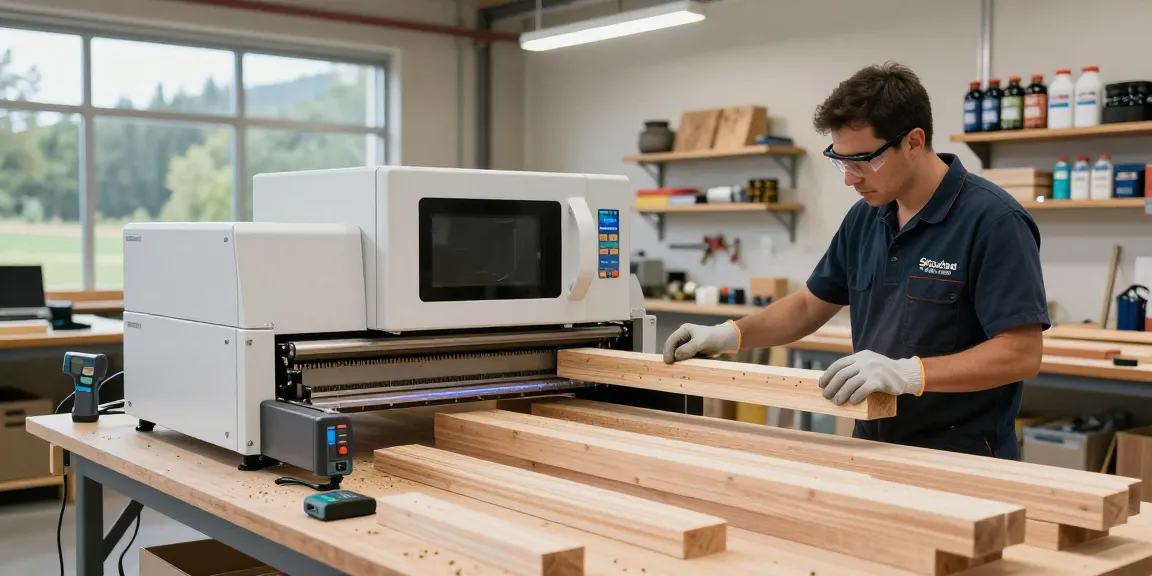
The Basics of Shashel Technology for Pest Elimination
The rise of innovative solutions in pest control has revolutionized how we address infestations, particularly in the woodworking industry. One such groundbreaking development is the Shashel technology, which utilizes microwave energy for swift and effective pest elimination. This method not only targets wood-boring insects such as woodworms and beetles but does so without compromising the integrity of the materials being treated. Understanding how this technology works is essential for anyone in wood processing or restoration.
What is Shashel and How Does It Work?
Shashel is a state-of-the-art pest control system designed specifically for the woodworking industry. It employs microwave energy to generate heat that penetrates the wood, effectively killing pests at all life stages, from eggs to adults. This technology operates by rapidly raising the temperature of the wood to a level lethal to pests, usually around 56°C, which is achieved in a matter of minutes. Unlike traditional chemical treatments, Shashel offers a non-toxic alternative that is safe for both the user and the environment.
The Science Behind Microwave Pest Control
The underlying principle of microwave pest control is based on the interaction between electromagnetic waves and biological organisms. When microwaves are directed into wood, they cause polar molecules, such as water, to vibrate and generate heat. This heat is evenly distributed throughout the wood, ensuring that all pests, regardless of their location within the material, are effectively exterminated. Studies show that this method not only takes significantly less time than conventional methods but also prevents regrowth by ensuring complete and thorough treatment.
Advantages Over Traditional Pest Control Methods
- Speed: Shashel technology can eradicate pests in just a few minutes, making it ideal for time-sensitive projects.
- Non-Toxic: Unlike chemical treatments, Shashel methods use no harmful substances, making them safe for both users and the environment.
- Effectiveness: It ensures complete pest elimination, eliminating the risk of reinfestation.
- Preservation: Wood integrity is maintained, which is crucial for quality woodworking.
Benefits of Using Shashel Equipment in Wood Processing
Implementing Shashel technology in wood processing not only addresses pest issues but also brings several other benefits that enhance overall operations. The efficiency and effectiveness of this microwave technology make it a game-changer in the industry.
Rapid Pest Elimination in Minutes
One of the most remarkable benefits of Shashel is its ability to eliminate pests swiftly. Within minutes, operators can treat large sections of wood, reducing downtime typically associated with pest management. This rapid treatment is particularly advantageous in production environments where disruptions can lead to significant financial losses.
Preserving Wood Quality and Integrity
Shashel technology preserves the quality of wood during the pest elimination process. Traditional methods involving chemical treatments can often lead to damage or alterations in wood properties. In contrast, microwave treatment ensures that the wood maintains its aesthetic and structural integrity, which is crucial for high-quality finishes and restorations.
Eco-Friendly and Safe Solutions
With an increasing focus on sustainability, Shashel represents an eco-friendly approach to pest control. The absence of chemicals means there are no hazardous residues left behind, making it a safer choice for environments where children, pets, and sensitive equipment are present. This commitment to safety and environmental stewardship aligns with current trends in responsible manufacturing.
Understanding the Wood Types and Pests
To implement effective pest control, it's vital to understand the types of wood susceptible to infestation and the pests that threaten them. Knowledge of these elements ensures that treatments are both effective and precise.
Common Wood Pests and Their Impact
Wood-boring insects, such as powderpost beetles, bark beetles, and woodworms, can cause extensive damage to wooden structures and furniture. Their feeding habits not only weaken the wood but can lead to structural failures if left unchecked. Understanding the life cycles and behaviors of these pests is essential for any effective pest management strategy.
Identifying Infested Wood Types
Different wood species may attract specific pests. For instance, hardwoods like oak and maple are often infested by powderpost beetles, while softwoods such as pine may be targeted by woodworms. Identifying the type of wood and its vulnerabilities is critical to applying the correct treatment effectively.
Preventative Measures for Wood Preservation
- Proper Treatment: Using Shashel technology for treatment before storage can prevent infestations.
- Storage Conditions: Ensuring that wood is stored in dry, well-ventilated areas can reduce the likelihood of pest invasion.
- Regular Inspections: Conducting frequent checks on stored wood can help catch infestations early.
How to Use Shashel Products Effectively
For optimal results, understanding how to correctly use and maintain Shashel equipment is vital. Proper handling contributes to longevity and effectiveness, ensuring that the pest control measures are both efficient and safe.
Step-by-Step Guide to Operating Shashel Equipment
- Prepare the wood by ensuring it is clean and free from debris.
- Set up the Shashel equipment according to the user manual.
- Place the wood inside the treatment chamber and ensure it is evenly spaced for optimal microwave penetration.
- Start the treatment cycle and monitor the temperature as per the guidelines.
- Once completed, allow the wood to cool before handling.
Maintenance Best Practices for Longevity
Regular maintenance of Shashel equipment ensures its longevity and effectiveness. Following the manufacturer's recommendations for cleaning after each use, checking for software updates, and regularly inspecting for wear and tear will contribute to optimal performance.
Safety Guidelines for Technicians
Technicians operating Shashel equipment should adhere to safety guidelines to prevent accidents. Always wear protective gear, ensure proper ventilation in the work area, and follow electrical safety protocols when using the machinery.
The Future of Wood Processing and Pest Control
The pest control industry is on the cusp of significant changes, with technology at the forefront of these advancements. As we look towards the future, understanding emerging trends can help businesses stay ahead of the curve.
Emerging Technologies in Pest Elimination
In addition to Shashel, innovations such as nanotechnology and bio-pesticides are emerging to enhance pest control measures. These new technologies aim to provide more sustainable, less invasive options that align with modern environmental concerns.
Industry Trends to Watch in 2026
As we approach 2026, wood processing industries are expected to adopt more automated and efficient pest control technologies. The integration of IoT devices for real-time monitoring and analysis of pest infestations is set to revolutionize proactive pest management strategies.
Expert Insights and Predictions
Industry experts predict that the shift towards more sustainable practices will continue to drive innovation in pest control technologies. As awareness of environmental issues grows, solutions like Shashel will become essential for businesses looking to maintain their competitive edge while adhering to eco-friendly practices.
What are the main benefits of Shashel equipment?
Shashel equipment offers rapid pest elimination, preservation of wood quality, and eco-friendly solutions that ensure safety for users and the environment.
How does microwave pest control compare to chemical treatments?
Microwave pest control is significantly faster, non-toxic, and preserves wood integrity, unlike many chemical treatments that can alter wood properties and involve health risks.
What wood types are most susceptible to pests?
Pests are often attracted to hardwoods like oak and maple as well as softwoods such as pine, making them common targets for wood-boring insects.
Can Shashel technology be used in residential settings?
Yes, Shashel technology is safe and effective for residential applications, providing homeowners with a powerful means to combat wood pests without harmful chemicals.
What future advancements can we expect in pest control technology?
Future advancements may include increased automation, IoT integration for real-time monitoring, and further innovations in sustainable pest control solutions.