
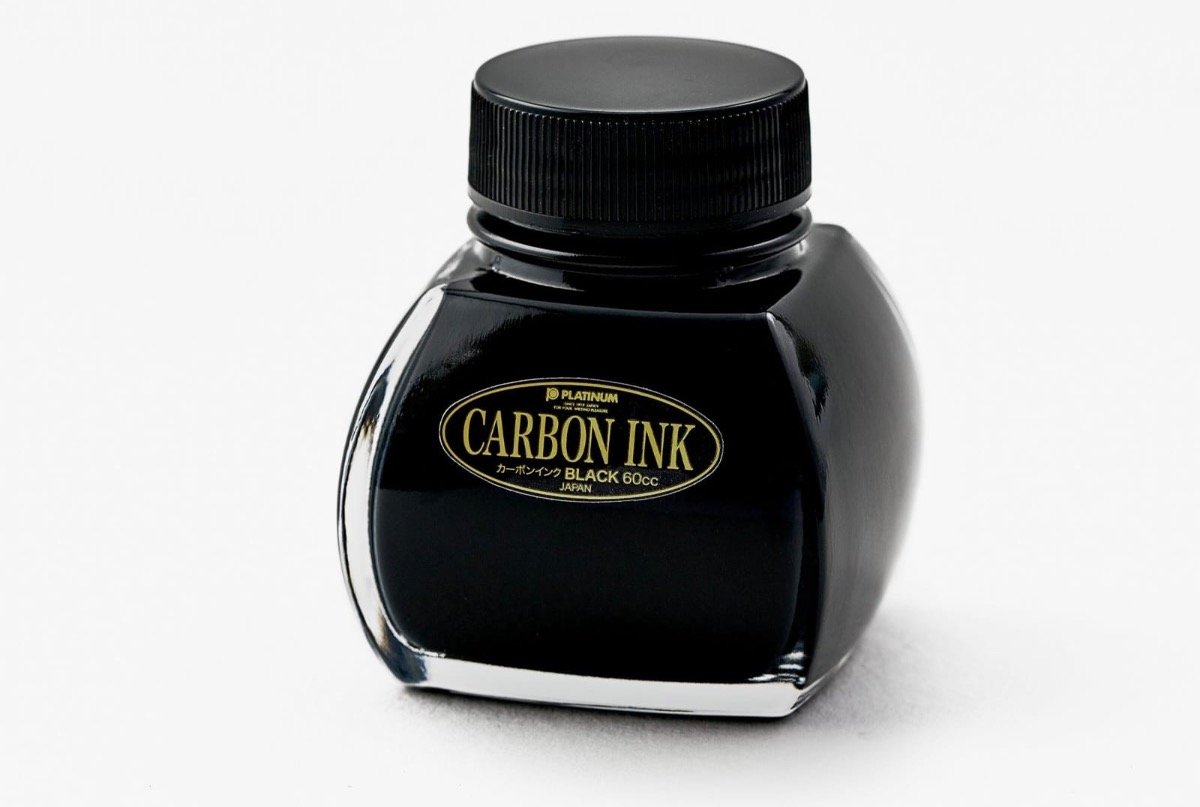
Modern industries continue to rely on advanced conductive materials that support innovation across electronics, printing technologies, energy storage systems, and industrial manufacturing. As electronic devices become more compact and multifunctional, manufacturers increasingly seek materials that deliver conductivity, durability, precision, and compatibility with diverse production processes. These requirements have elevated the role of specialty carbon materials in supporting next-generation technologies.
Among these materials, ink carbon black plays a critical role in enabling high-performance conductive formulations used across printed electronics, sensors, touch interfaces, circuit components, and industrial coatings. Its unique properties support electrical conductivity, print quality, formulation stability, and long-term performance, making it an essential component in numerous advanced manufacturing applications.
Advancing Functional Materials Through Conductive Carbon Technologies
As industries continue pursuing smarter manufacturing solutions, conductive carbon materials are becoming increasingly important for improving performance, reliability, and innovation across electronic and industrial applications.
1. Enhanced Electrical Conductivity For Modern Applications
Conductive carbon materials provide consistent electrical pathways that support the performance of printed circuits, sensors, membrane switches, and electronic interfaces. Their electrical conductivity characteristics help manufacturers create reliable products that meet increasingly demanding technological requirements while maintaining efficiency across diverse operating environments.
2. Improved Compatibility With Printing Technologies
Modern conductive formulations are designed to work effectively with various printing methods, including screen printing, flexographic printing, gravure printing, and digital manufacturing processes. This flexibility enables manufacturers to integrate advanced conductive materials into different production environments while maintaining product quality and operational consistency.
3. Strong Performance Under Diverse Conditions
Industrial applications often require materials capable of maintaining performance despite temperature fluctuations, exposure to humidity, and mechanical stress. Conductive carbon materials help enhance product durability and reliability, ensuring electronic components continue to function effectively throughout their operational lifecycle.
4. Support For Miniaturized Electronic Devices
As electronics become smaller and more sophisticated, manufacturers require materials that deliver conductivity in compact designs. Advanced carbon formulations support miniaturization efforts while maintaining electrical performance, helping drive innovation across consumer electronics, healthcare devices, and industrial technologies.
5. Growing Role In Emerging Technologies
The rapid development of smart devices, wearable electronics, flexible displays, and connected systems continues to create demand for advanced conductive materials. Carbon-based solutions remain central to supporting these emerging technologies while enabling future innovation opportunities across multiple industries.
Expanding Industrial Performance Through Ink Carbon Black Applications
Manufacturers increasingly rely on advanced materials to improve performance, consistency, and conductivity across industrial applications. The growing use of ink carbon black supports formulation stability, print quality, and reliable electrical properties in printed electronics, coatings, sensors, and communication technologies.
Its versatility enables customized solutions for diverse operational requirements, making ink carbon black an essential component in the development of innovative industrial and electronic products.
Building Advanced Electronics Through Precision Material Engineering
Modern electronic manufacturing depends on highly specialized materials capable of delivering both electrical functionality and production efficiency. Continuous improvements in materials science are helping manufacturers achieve greater precision and product performance.
1. Consistent Particle Distribution
Uniform particle distribution supports stable electrical properties and reliable printing performance. Consistency in conductive formulations improves manufacturing outcomes and helps organizations maintain strict quality control standards across production processes.
2. Reliable Surface Characteristics
Proper surface characteristics influence conductivity, adhesion, and printability. Advanced material engineering helps optimize these properties to support superior performance across diverse electronic and industrial applications while ensuring compatibility with evolving manufacturing technologies.
3. Improved Formulation Stability
Stable formulations contribute to predictable manufacturing performance and product consistency. Enhanced stability reduces variability during production while supporting efficient processing and reliable end-product functionality.
4. Enhanced Mechanical Durability
Many conductive applications require materials capable of withstanding repeated use, handling, and environmental exposure. Durable formulations help maintain electrical performance while extending product lifespan and improving operational reliability.
5. Greater Design Flexibility
Advanced conductive materials enable manufacturers to develop customized solutions for unique applications, supporting increasingly complex product designs. This flexibility encourages innovation across numerous industrial and electronic sectors.
Strengthening Printed Electronics With Carbon Resistive Ink Solutions
The increasing adoption of carbon-resistive ink continues to transform printed electronics manufacturing by providing reliable electrical resistance characteristics for a wide range of applications. These formulations are commonly utilized in membrane switches, flexible circuits, sensors, heating elements, and various electronic control systems. As electronics become more compact, flexible, and performance-driven, manufacturers increasingly rely on advanced material technologies that deliver precise electrical properties while maintaining durability across diverse operating environments.
By combining conductivity, durability, and precise control of resistance, carbon resistive ink enables the development of innovative products that require consistent electrical performance. Its adaptability across various manufacturing processes further enhances its value in modern electronics production environments, helping manufacturers improve product reliability, optimize design flexibility, and meet the growing demand for next-generation electronic devices across the industrial, automotive, healthcare, and consumer technology sectors.
Driving Innovation Across Next-Generation Electronic Systems
Advanced conductive materials continue to support innovation across industries ranging from healthcare and telecommunications to automotive manufacturing and consumer electronics.
1. Flexible Electronics Development
Flexible electronic systems require materials that maintain conductivity while accommodating bending and movement. Advanced conductive formulations help support these applications while enabling new product categories and design possibilities.
2. Smart Sensor Technologies
Sensors increasingly play critical roles within connected systems and industrial automation. Conductive materials support sensor functionality by providing reliable electrical performance across diverse operational conditions.
3. Automotive Electronics Expansion
Modern vehicles incorporate an increasing number of electronic systems that require reliable conductive materials. Advanced formulations help support performance, safety, and functionality throughout automotive applications.
4. Industrial Automation Integration
Automation technologies rely on electronic components capable of delivering consistent performance under demanding operational conditions. Conductive materials help enable efficient communication, monitoring, and control systems within industrial environments.
5. Healthcare Device Innovation
Medical technologies increasingly utilize compact electronic systems requiring precise conductivity and reliability. Advanced materials support device functionality and contribute to improved healthcare solutions.
Conclusion
The growing demand for advanced electronics, smart devices, industrial automation, and connected technologies continues to increase the importance of conductive carbon materials across modern manufacturing environments. By supporting conductivity, durability, formulation stability, and production efficiency, these materials help organizations develop innovative products while meeting evolving market expectations.
Organizations seeking advanced solutions for Carbon Black Inkjet, conductive applications, and next-generation material technologies can benefit from the expertise of Birla Carbon. Through its commitment to innovation, advanced materials science, sustainable manufacturing practices, and high-performance carbon solutions, Birla Carbon continues to support industries worldwide in developing smarter electronics, improving operational efficiency, and driving the future of advanced manufacturing technologies.