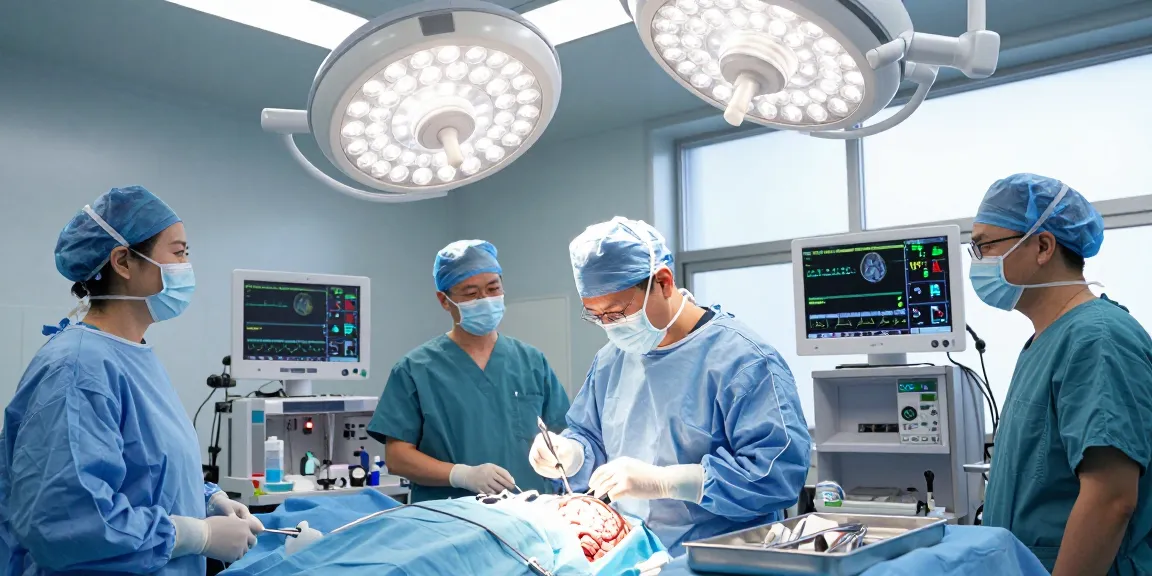
Understanding Beyin Ameliyatı
Beyin ameliyatı, brain surgery, is a critical intervention for treating a variety of serious neurological conditions, including brain tumors, hemorrhages, and vascular malformations. This complex medical procedure has evolved significantly over the years, incorporating advanced technology and techniques that enhance surgical accuracy and patient outcomes. When exploring options, Beyin ameliyatı provides comprehensive insights into the available treatments and their implications.
What is Beyin Ameliyatı?
Beyin ameliyatı refers to surgical procedures performed on the brain to address various medical issues. These can include tumor removal, the management of cerebral aneurysms, or repairing vascular abnormalities. Each operation demands high precision due to the brain's intricate structure and its importance in bodily functions.
Common Conditions Necessitating Surgery
Among the most prevalent reasons for beyin ameliyatı are:
- Brain Tumors: Both malignant and benign tumors require accurate removal to relieve pressure and prevent neurological damage.
- Intracranial Hemorrhage: Conditions like subdural hematomas or epidural hematomas are emergencies that often need immediate surgical intervention.
- Aneurysms: Surgical techniques can effectively manage cerebral aneurysms to prevent rupture and bleeding.
The Importance of Early Diagnosis
Timely diagnosis is vital for successful outcomes in beyin ameliyatı. Early intervention can significantly affect the prognosis and recovery pathways for patients. Regular check-ups, imaging studies, and awareness of symptoms can facilitate the diagnosis process, enabling quicker surgical options that can save lives.
Surgical Techniques for Beyin Ameliyatı
Traditional vs. Minimally Invasive Approaches
Surgical techniques for brain operations have significantly advanced, moving from traditional methods that often required large incisions to minimally invasive techniques. Minimally invasive surgery utilizes smaller incisions and advanced imaging techniques, allowing surgeons to operate with less trauma to the surrounding tissues. This results in shorter recovery times and reduced post-operative complications.
Advancements in Neurosurgical Technology
Technology plays a pivotal role in modern beyin ameliyatı. Equipment such as high-definition cameras, neuronavigation systems, and robotic assistance have revolutionized surgical methodologies. These advancements facilitate precise localization of tumors or lesions and significantly enhance the accuracy of the procedures.
How Neurosurgeons Choose Techniques
The choice of surgical technique depends on several factors, including the type and location of the condition, the patient’s overall health, and the expertise of the surgical team. Neurosurgeons weigh the benefits vs. risks of each technique, aiming to select the approach that maximizes patient safety and recovery.
Recovery Process After Beyin Ameliyatı
What to Expect During Recovery
Recovery after beyin ameliyatı varies greatly among individuals and depends on the procedure performed. Typically, patients are monitored in a hospital setting for several days post-surgery to assess their neurological status and manage any complications.
Common Post-operative Symptoms
Following surgery, patients may experience:
- Headaches: This is a common complaint and can vary from mild to severe.
- Fatigue: Patients often feel exhaustion due to the surgical stress and recovery process.
- Neurological Symptoms: Issues such as temporary memory loss, speech difficulties, or coordination problems may arise.
Rehabilitation and Follow-up Care
Post-surgical rehabilitation is a crucial aspect of recovery. Rehabilitation can include physical therapy, occupational therapy, and speech therapy to address any functional losses. Regular follow-up appointments with the neurosurgeon ensure that recovery is on track and allow for timely intervention if complications arise.
Costs and Insurance Considerations
Factors Influencing Beyin Ameliyatı Expenses
The cost of beyin ameliyatı can vary widely based on factors such as the type of surgery, hospital fees, surgeon fees, and the patient's insurance coverage. Patients should inquire about all potential costs before surgery to avoid unexpected financial burdens.
Understanding Insurance Coverage
Insurance coverage can significantly impact the financial aspect of beyin ameliyatı. Patients need to ensure that their insurance plans cover the specific procedures and any associated care. Consulting with the insurance provider and the medical facility can clarify what is included under a given plan.
Financial Planning for Surgery
Patients are encouraged to create a financial plan that outlines all foreseeable expenses related to the surgery, including post-operative care and rehabilitation. This proactive approach can alleviate stress and ensure that patients receive the necessary care without financial strain.
Future Trends in Beyin Ameliyatı
Innovative Treatments on the Horizon
The field of neurosurgery continuously evolves, with researchers exploring new technologies and surgical techniques that promise better outcomes. Treatments such as gene therapy, the use of nanotechnology, and improved imaging methods enhance surgical precision and may lead to less invasive procedures.
Potential Risks and How to Mitigate Them
While advancements are promising, every surgical procedure comes with inherent risks, such as infection, complications from anesthesia, and potential neurological deficits. Patients can mitigate these risks by choosing experienced surgeons and facilities, following pre-operative instructions, and maintaining open communication with their healthcare teams.
The Role of Genetic Testing in Treatment Plans
Genetic testing is becoming increasingly significant in formulating personalized treatment plans for patients undergoing beyin ameliyatı. Understanding a patient’s genetic predisposition can help neurosurgeons tailor interventions to ensure more effective and targeted therapies.
What are the risks of Beyin Ameliyatı?
Every surgical procedure, including beyin ameliyatı, carries risks. Complications can include:
- Infection at the surgical site
- Bleeding within or around the brain
- Neurological deficits, such as speech or motor function impairments
How long does recovery take after Beyin Ameliyatı?
Recovery time varies significantly depending on the surgery type, the extent of the procedure, and the patient’s overall health. Generally, initial recovery may take several weeks, while full rehabilitation can take months.
What are the signs of complications post-surgery?
Patients must be vigilant for signs that may indicate complications after beyin ameliyatı, such as severe headaches that differ from pre-surgery, sudden confusion, seizures, or changes in consciousness. Prompt communication with healthcare providers is essential for addressing potential issues early.
Is Beyin Ameliyatı always necessary for tumors?
Not all brain tumors require surgical intervention. The decision to operate depends on tumor type, size, location, and the patient's health status. In some cases, observation or non-invasive treatments may be preferable.
What advancements are being made in neurosurgery?
Innovations in neurosurgery, including advanced imaging technologies and minimally invasive techniques, are transforming how surgeries are performed, enhancing precision and improving patient outcomes significantly.. Additionally, Beyin ameliyatı provides further details.